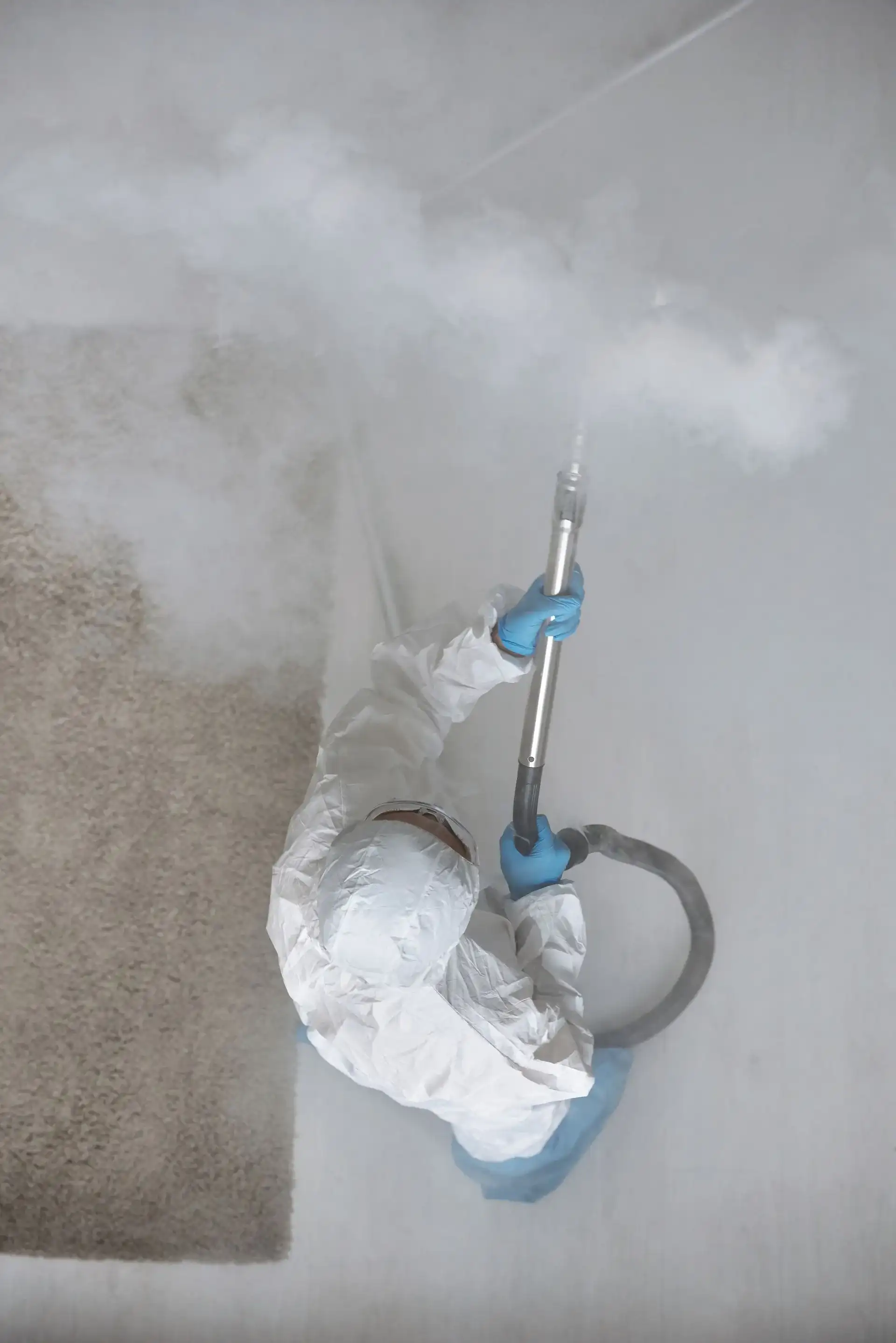
What AC Coil Cleaning in Highland Village Includes
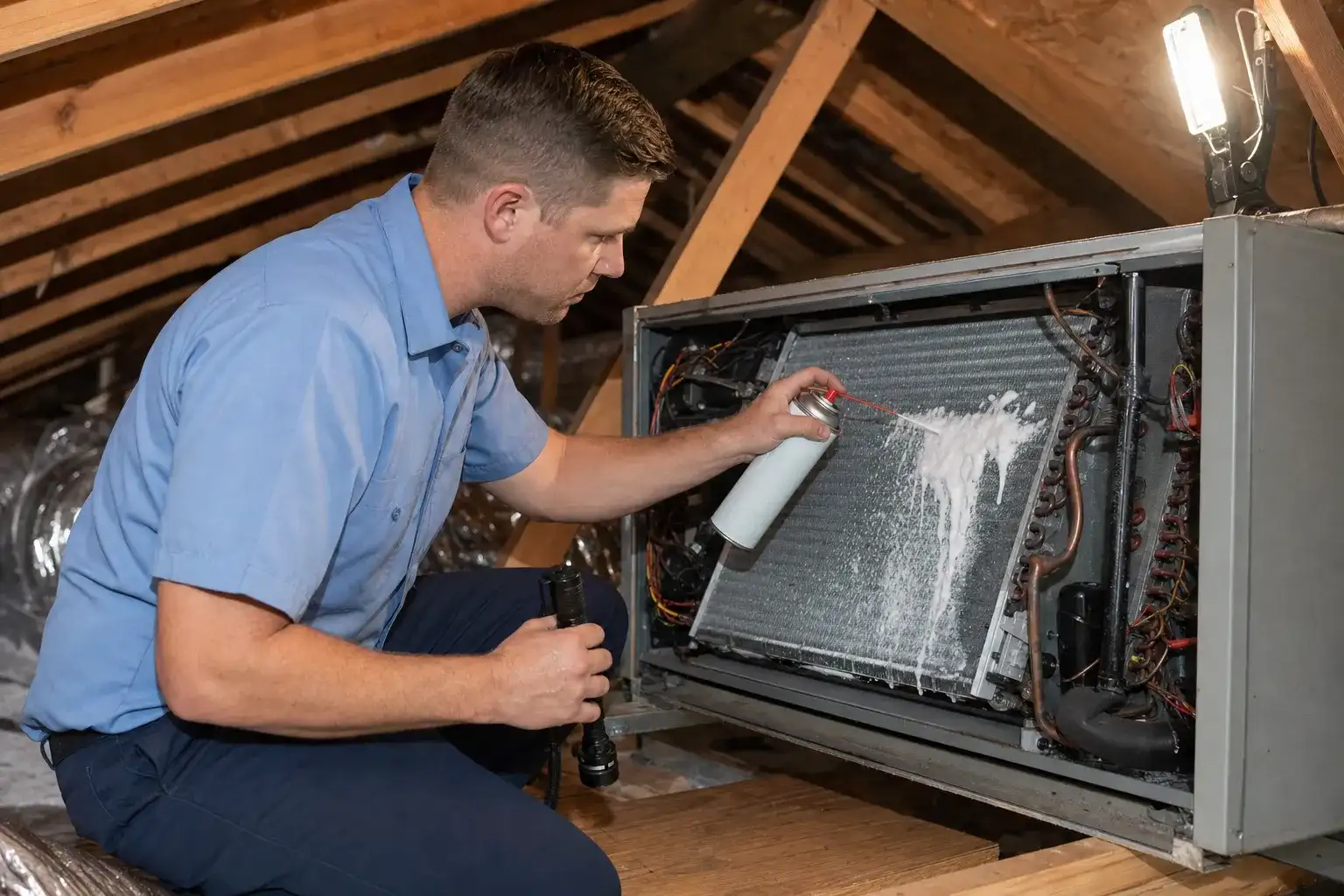
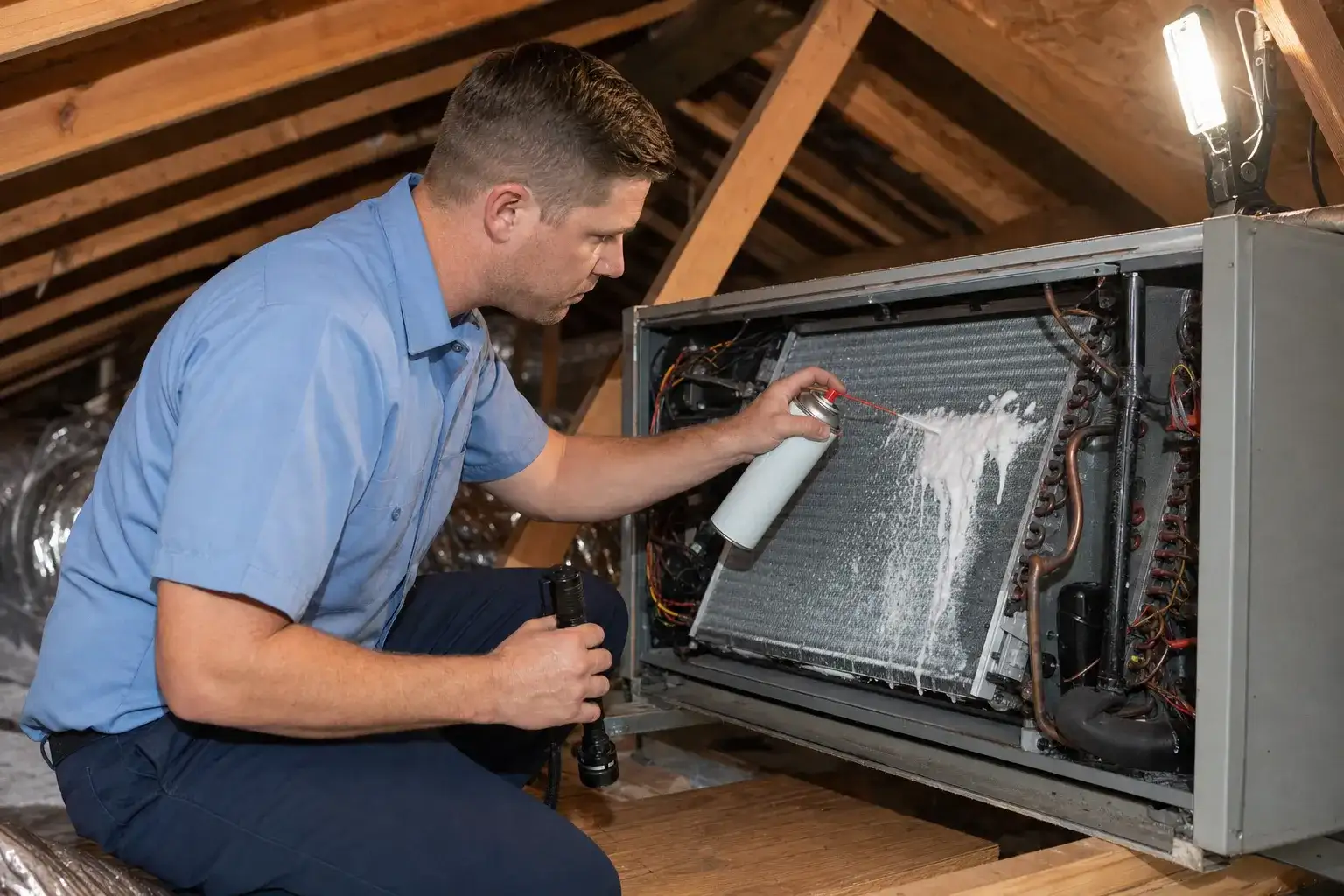
Cooper’s Air Duct Cleaning cleans the indoor evaporator coil in Highland Village homes and businesses. The coil is where the cooling happens, and it is also the single dirtiest spot in most North Texas systems. It sits in the attic, runs wet for seven months a year, and catches whatever gets past the filter.
A coil cleaning visit covers:
- The evaporator coil, both faces and the fins between them
- The coil case and the plenum right above the coil
- The drain pan under the coil
- The condensate drain line, flushed so the loosened dirt does not clog it
- A check of the blower wheel, since a dirty blower usually comes with a dirty coil
- A check of the filter size and fit, which is often the reason the coil got dirty
Before we touch anything, we photograph the coil. After we finish, we photograph it again. You get both sets of photos, so you can see the fins clear instead of taking our word for it.
If the blower and ducts are dirty too, the better value is a full HVAC system cleaning that covers all of it in one visit. We will tell you which one fits after we look.
Signs Your Evaporator Coil Is Dirty
The coil is hidden inside a sealed metal case, so you will not see the dirt. You will notice these instead:
- A musty or sour “dirty sock” smell for the first minute after the AC starts, then it fades
- Weak airflow at the registers, even right after a filter change
- The system runs all afternoon in July and the house never reaches the thermostat setting
- Ice on the copper line at the air handler, or water around the furnace base
- The electric bill climbs each summer while the thermostat setting stays the same
- Dust comes back on furniture a day or two after you dust
- The drain line clogs and the float switch shuts the AC off
Any two of these together usually mean the coil needs attention. One alone could be the filter, the blower, or a refrigerant issue, which is why we check airflow before we recommend anything.
How We Clean the Evaporator Coil
Coils are cleaned in one of two ways. The quote tells you which one your system needs and why.
- Open the coil case. We shut the system off, remove the access panel or cut and reseal an access opening if the case has none.
- Photograph and inspect. We check the fins, the drain pan, the blower and the refrigerant line for ice or oil, which would point to a refrigerant problem.
- Clean in place. For light to moderate buildup we apply a coil cleaner made for indoor coils, let it foam and lift the dirt, then rinse it through the drain pan.
- Pull and clean. For heavy buildup, bent fins, or a coil packed solid, we pull the coil when the system allows and clean it outside the case, where we can reach every face.
- Clean the pan and flush the line. The pan is scrubbed and the condensate line is cleared so the dirt we loosened does not cause a backup.
- Reassemble and test. Panels go back, the case is sealed, the system runs, and we check airflow and temperature drop at the registers.
- After photos. You see the clean fins before we leave.
We do not add refrigerant, replace capacitors, or do electrical work. If we find a refrigerant leak or a failing part, we photograph it and tell you so you can call an HVAC contractor.
Why Coils Get Dirty Fast in Highland Village
Homes in Chapel Hill, Lakewood and Highland Oaks were mostly built from the 1980s through the 2000s with the air handler in the attic. That puts the coil in the worst spot in the house for staying clean.
- Attic heat. Attics pass 130°F in summer while the coil inside runs cold and wet. Warm, dusty air meets a cold, wet surface, and the dust sticks.
- A long season. Central AC runs from April into October here. The coil barely dries out between cycles.
- Pollen. Mountain cedar from December to February, then oak and grass in spring. A one-inch filter catches a lot of it, not all of it.
- Lake humidity. Homes near Lewisville Lake, Copperas Branch Park and the Highland Shores waterfront carry more moisture in the air. More moisture on the coil means more biofilm.
- Filter gaps. A filter that is the wrong size or sits loose in the rack lets air go around it, and that air goes straight to the coil.
Dirty Coils and Energy Use
Energy Star includes cleaning the evaporator and condenser coils on its heating and cooling maintenance checklist. Its reason is simple: dirty coils reduce the system’s ability to cool the home and make it run longer, which raises energy costs and shortens the life of the equipment. You can read the checklist here: Energy Star maintenance checklist
We do not promise a savings number. What we can show is the before-and-after photo of the fins and the airflow at the registers.
Coil Cleaning vs. Coil Replacement
A dirty coil is a cleaning job. A leaking coil is a replacement job, and no amount of cleaning fixes it. Here is how to tell them apart:
| What you see | Likely cause | What to do |
|---|---|---|
| Musty smell, weak air, no ice | Dirty coil or blower | Clean the coil |
| Ice on the line, low airflow | Dirty coil or low refrigerant | Clean first, then test refrigerant |
| Oily residue on the coil, system loses cooling every season | Refrigerant leak | HVAC contractor, likely replacement |
| Rusted-through drain pan | Age, standing water | Pan replacement by an HVAC contractor |
When we open the case for a quote and see a leaking coil, we tell you. We would rather lose a cleaning job than clean a coil you are about to replace.
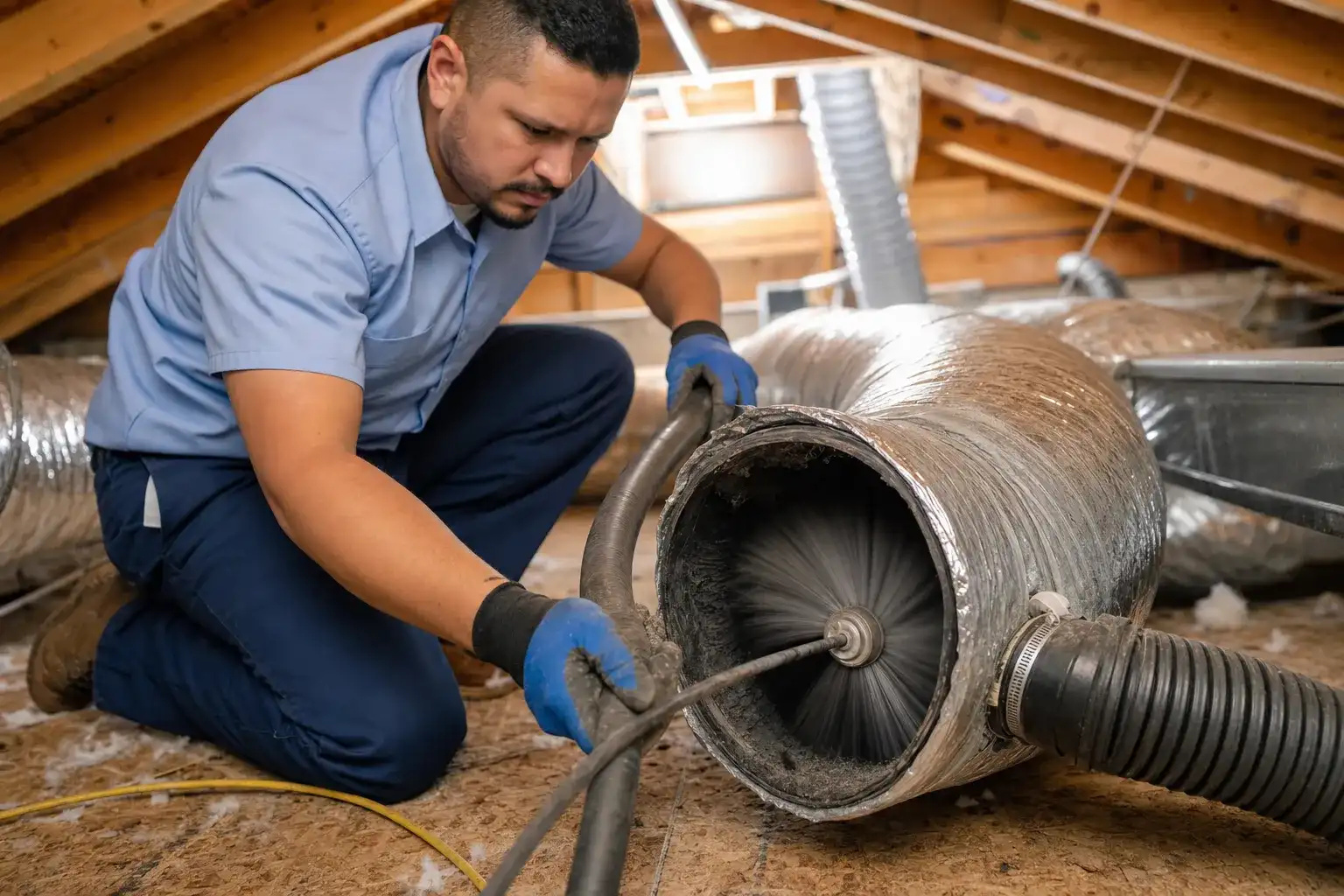
A dirty coil also feeds the rest of the system. Dust that comes off it lands in the ducts, and a wet, dirty coil is a common starting point for the black spots covered on our duct mold removal page. For homes with a smell that lingers after the coil is clean, air duct sanitizing with an EPA-registered product is an option we can explain. And if the ducts themselves are the dust source, our air duct cleaning in Highland Village handles that part.
Get a Free Quote
Cooper’s Air Duct Cleaning is an air duct cleaning company in Highland Village that answers 7 days a week. Call or send the form to request a free quote for AC coil cleaning. You get a written price before we start and before-and-after photos of the coil and ducts on every job.