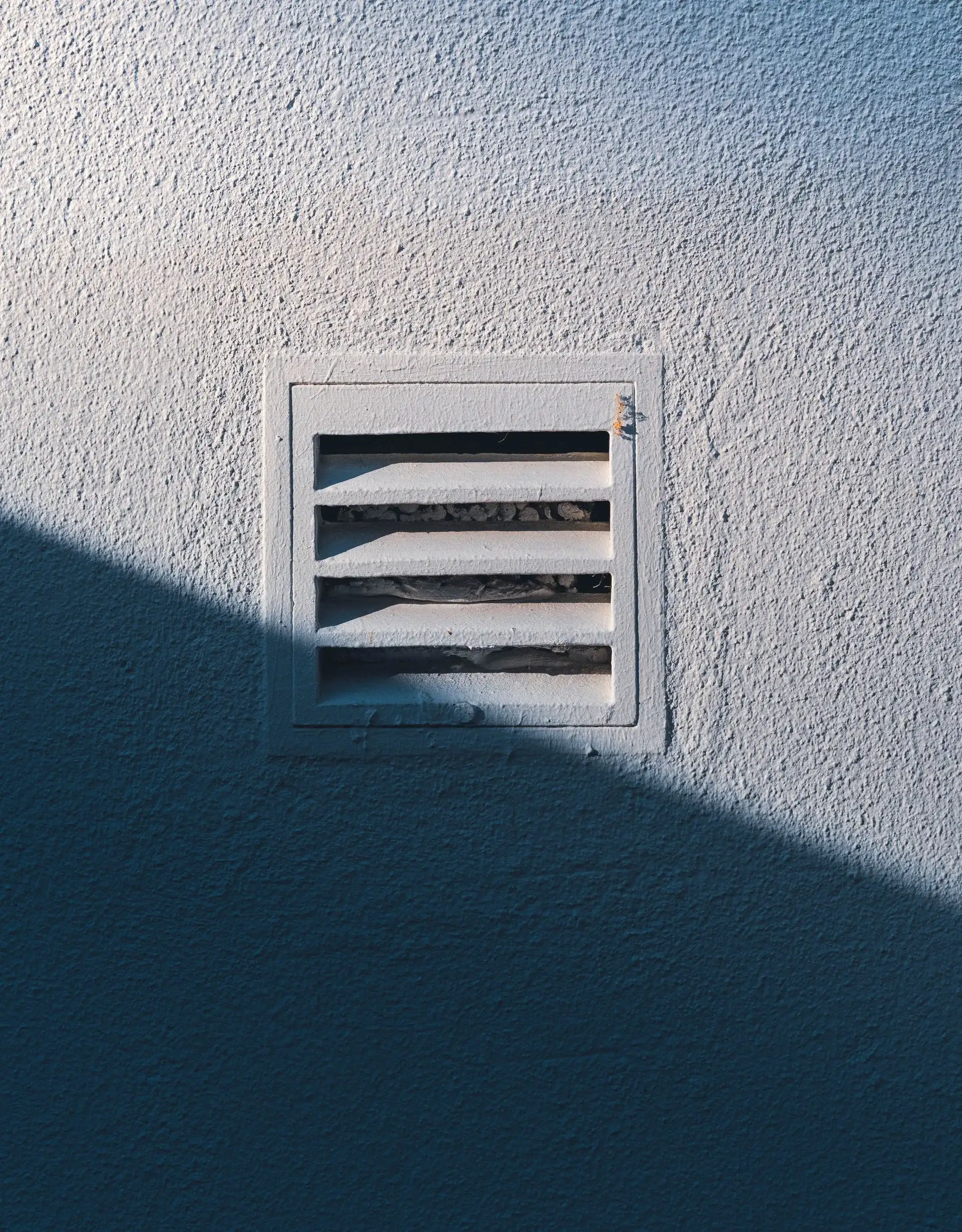
What Duct Mold Removal in Highland Village Includes
Cooper’s Air Duct Cleaning handles duct mold removal in Highland Village in four parts: find out whether it is mold, find the moisture, clean, and treat. Skipping any one of those wastes your money. Here is what you get:
- A camera inspection of the supply and return ducts, the plenums and the coil area, with photos
- A check of the moisture sources: the drain pan and line, the coil, duct sweating, attic leaks and the return air
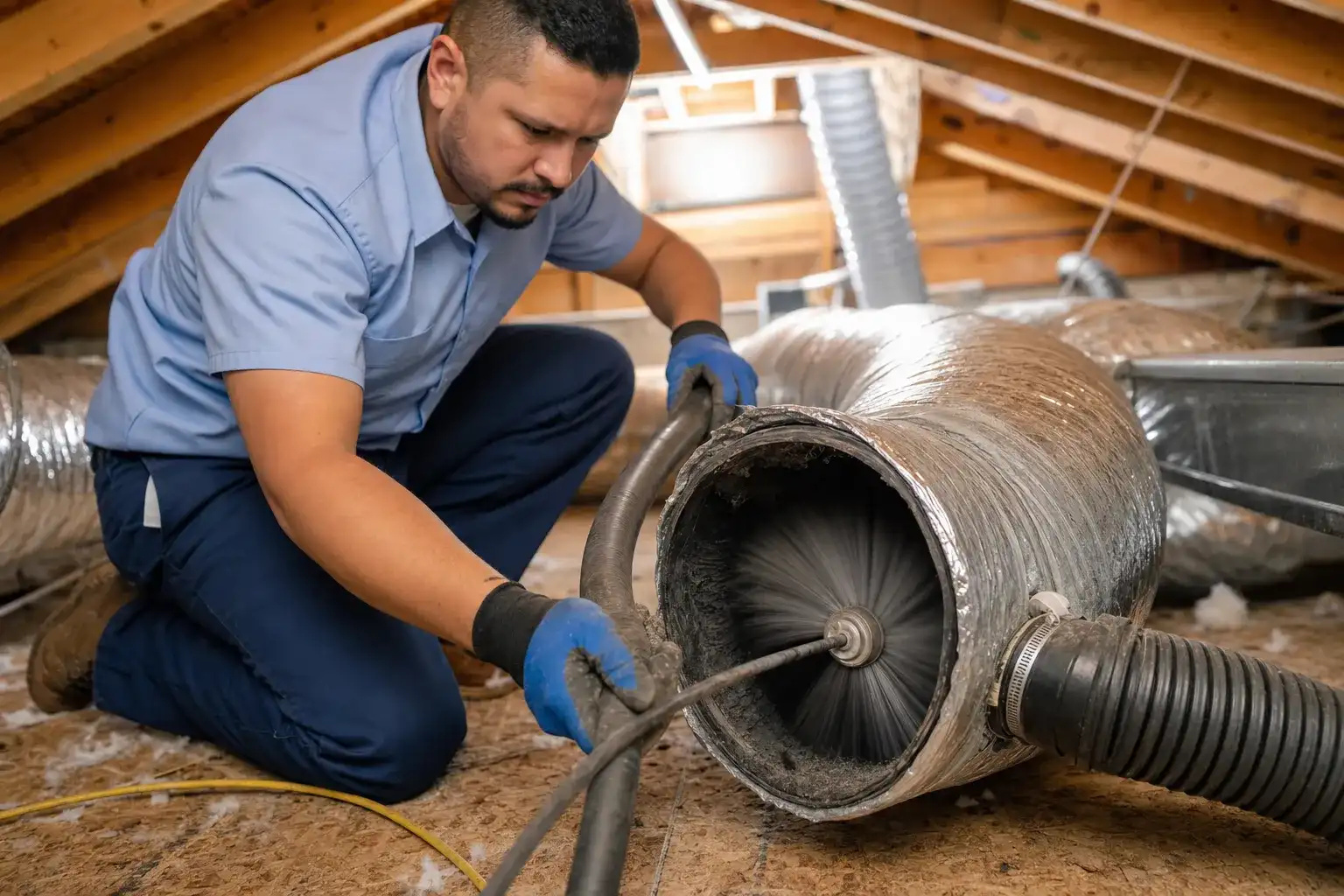
- Cleaning of the ducts with a vacuum and rotary brushes, plus the plenums and the blower compartment
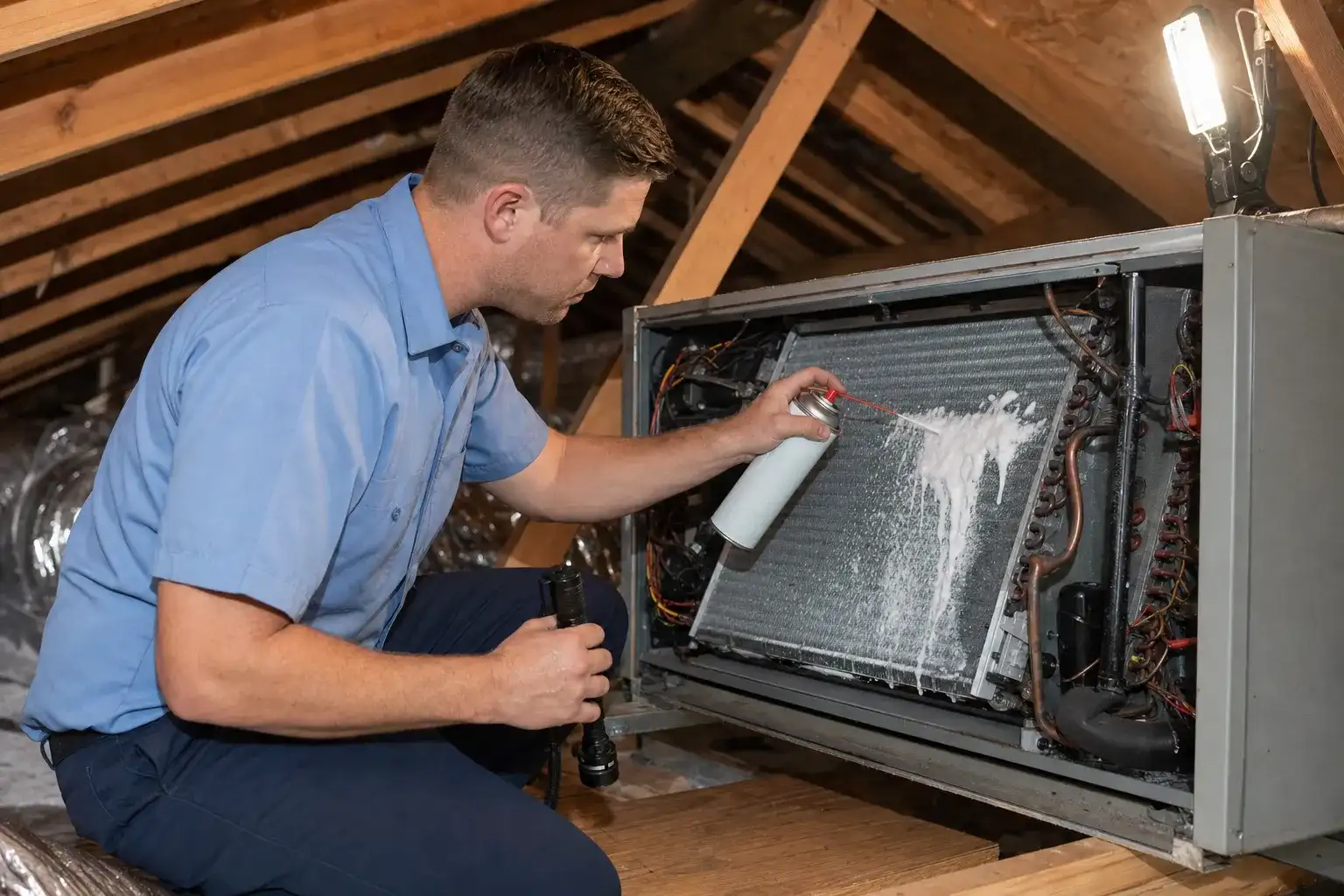
- Treatment of the cleaned surfaces with an EPA-registered product, where the duct type allows it
- Replacement of flex duct that is too damaged or too contaminated to clean
- A clear note on whether the problem is bigger than ducts and needs a remediation company
Is It Really Mold? What the Black Spots at Vents Usually Are
Most calls about “mold on the vents” in Highland Village turn out to be one of these:
| What you see | What it usually is |
|---|---|
| Gray or black streaks on the ceiling fanning out from a vent | Dust sticking to condensation on the cold register, sometimes called ghosting |
| Dark fuzzy spots on the register itself | Can be growth; the metal sweats in summer and dust feeds it |
| Spots inside the duct boot or on the first foot of duct | Often real growth, since this is the coldest, dampest spot |
| A musty smell with no visible spots | Often the evaporator coil or a wet drain pan, not the ducts |
The EPA’s own guidance is that something may look like mold and not be mold, and that only an expert, sometimes with lab analysis, can say for sure. So we do not sell a mold job over the phone. We look first.
How We Handle Mold in Air Ducts
- Inspect with a camera. We photograph the inside of the ducts, the plenum and the coil, and show you what is there before any cleaning is quoted.
- Find the moisture. Most of the time it is a sweating duct in the attic, a clogged condensate drain, or a dirty coil that stays wet. We trace it and write it down.
- Clean the system. The ducts are cleaned with a truck-mounted vacuum and rotary brushes. Plenums, the blower compartment and the coil area are cleaned by hand. This is the step that removes the growth.
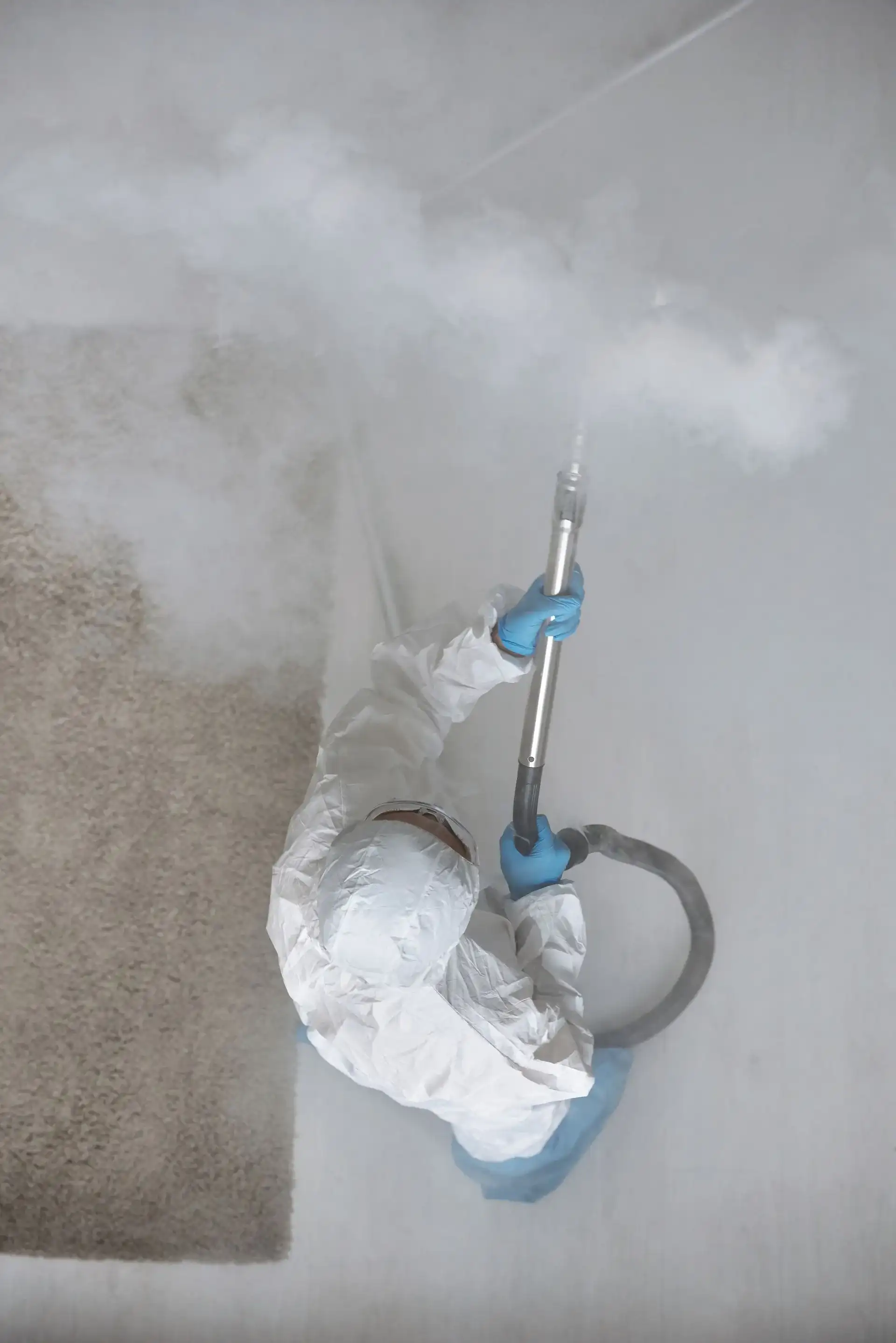
- Treat the surfaces. After cleaning, we fog an EPA-registered product through the cleaned ducts. This is the same step described on our air duct sanitizing page, and it only goes on clean, non-porous surfaces.
- Replace what cannot be cleaned. Flex duct with growth inside the insulation jacket, or duct board that is soaked, gets replaced, not scrubbed.
- Fix the cause. We recommend duct sealing, added insulation, a drain line cleaning or an AC coil cleaning based on what we found, so the growth does not return.
When You Need a Mold Remediation Company Instead
The EPA’s cleanup guide says a moldy area under about 10 square feet can often be handled without a specialist, and that larger areas, or any water damage or sewage event, call for a remediation contractor working to EPA guidance. The guide also says not to run an HVAC system you suspect is contaminated. You can read it at EPA: Mold Cleanup in Your Home.
Call a remediation company, not us, when:
- Growth is on drywall, wood framing or insulation, not just the ducts and the air handler
- The home had a roof leak, burst pipe or flooding and the materials stayed wet
- The ducts are duct board or internally lined, and the growth is in the lining
- You can see growth across more than about 10 square feet in one area
- A sewage backup reached the ducts or the return
We will still clean the ducts after the remediation company finishes.
Lab Testing: When It Is Worth It
Testing has a place, but it is smaller than most people think. The EPA notes that some microbiology labs can tell you whether a sample on a strip of clear tape is mold for a modest fee, and that is usually the right kind of test if you want one.
Our honest rule: if you can see growth and smell it, skip the test and spend the money on cleaning and fixing the moisture. Test when you need a document, for example for a landlord, a home sale, or a doctor who asked for it. We will tell you which case you are in.
Why Highland Village Ducts Grow Mold
Highland Village is a lake town. The south shore of Lewisville Lake keeps summer humidity higher than inland parts of Denton County. Most homes in Highland Shores, Lakewood and Chapel Springs were built between the 1980s and the 2000s with the air handler and flex duct in the attic. From April to October that attic can pass 130°F while cold supply air moves through the duct. Where the insulation jacket is thin, torn or compressed, the duct sweats. The dust inside is the food, the condensation is the water, and the dark duct is the room. A clogged condensate drain, an oversized AC that shuts off before it pulls the humidity out, and a leaky return plenum that carries attic air across a cold coil all add to it.
An air duct inspection with a photo report tells you which of these you have before you pay for anything else.
Stop It From Coming Back
Once the ducts are clean, keeping them that way is mostly about moisture:
- Seal leaking joints and boots so humid attic air stays out of the duct
- Insulate bare or thin spots on the flex duct so it stops sweating
- Keep the condensate drain clear; a cup of vinegar in the line each spring helps
- Keep the coil clean so it dries between cycles
- Change the filter on schedule so dust, the food source, stays out of the ducts
As an air duct cleaning company in Highland Village, we clean ducts and HVAC parts and fix the duct side of the moisture problem. For a new AC unit or a dehumidifier, we will tell you to call an HVAC contractor.
Get a Free Quote
If you see spots at the vents or smell something musty when the AC kicks on, call or send the form. We will inspect with a camera, show you what is there, and give you a firm written price before any work starts. You get before-and-after photos of the ducts, and a straight answer if the job belongs to a remediation company instead. We answer 7 days a week across Highland Village, Flower Mound, Lewisville, Corinth, Lake Dallas and the rest of southern Denton County.