What an Air Duct Inspection in Highland Village Includes
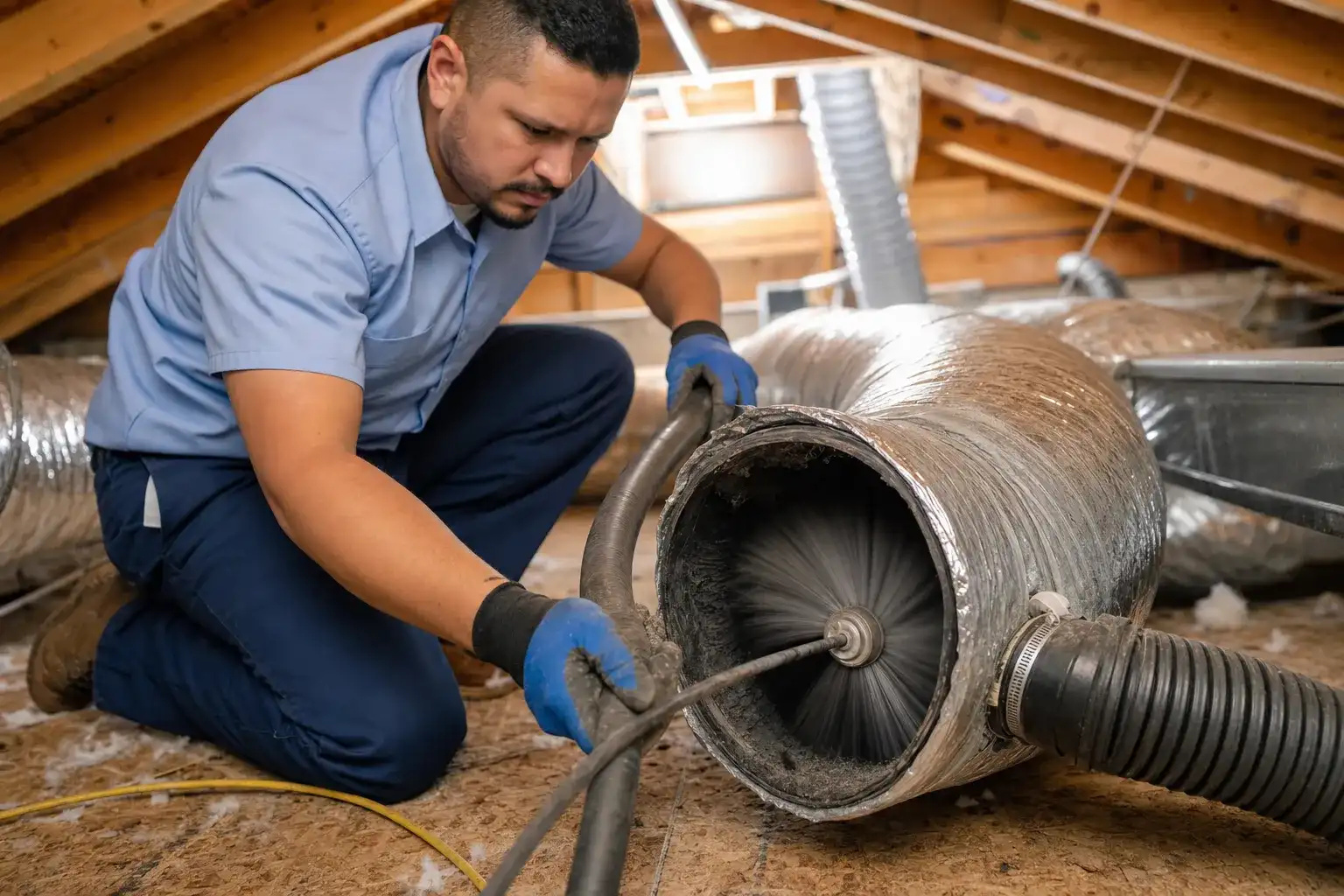
An air duct inspection is a look inside the ductwork with a camera, followed by a photo report. Cooper’s Air Duct Cleaning inspects air ducts in Highland Village so homeowners and property managers can see what is inside before deciding whether to clean, repair or leave the ducts alone.
The inspection covers:
- Supply ducts, viewed from several registers with a camera
- Return ducts and the return plenum, where most dust collects
- Supply plenum and the boots behind the registers
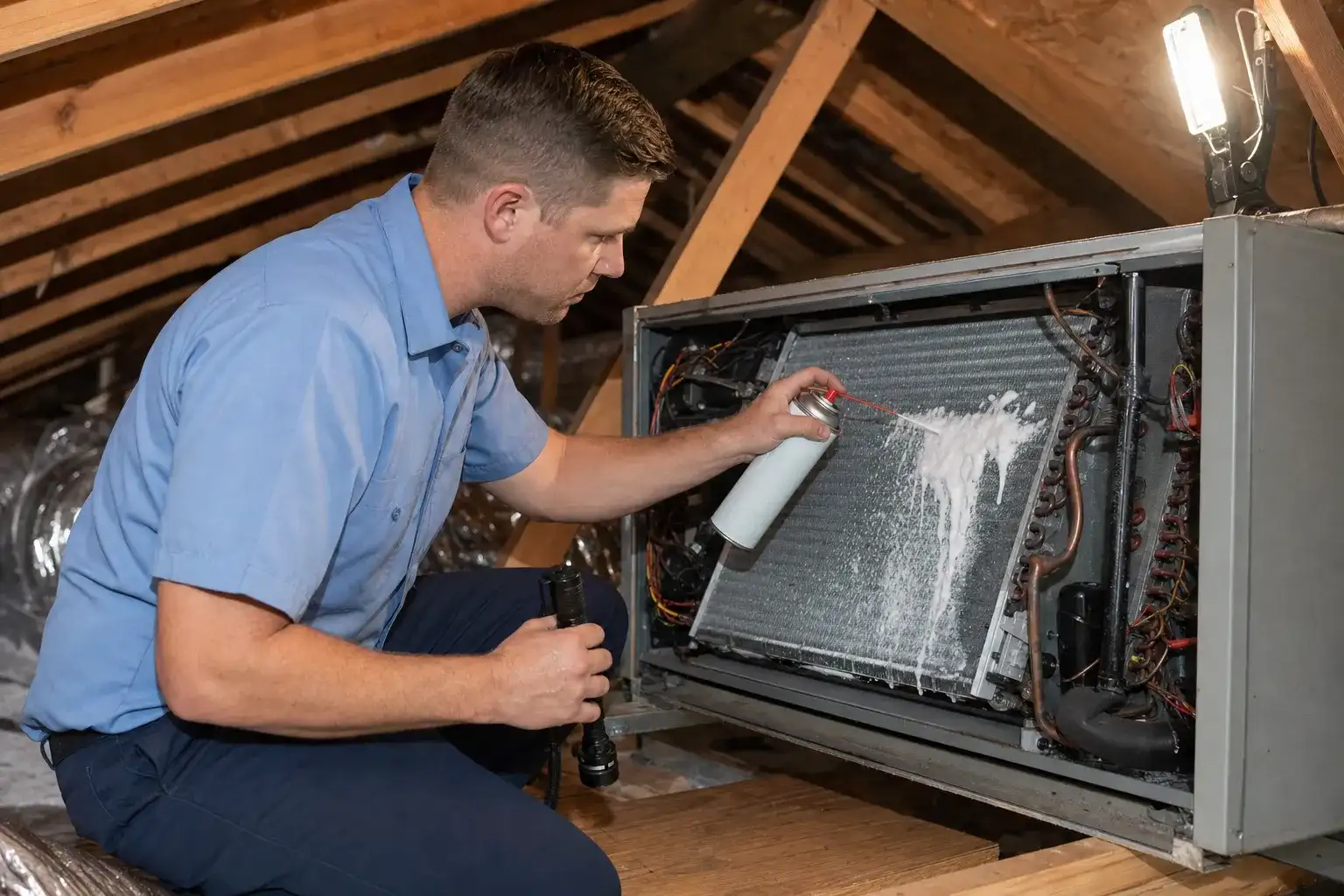
- The air handler cabinet, blower compartment and filter slot
- Visible flex duct in the attic: tears, crushed runs, loose connections, wet insulation
- The condensate drain pan, for standing water or overflow stains
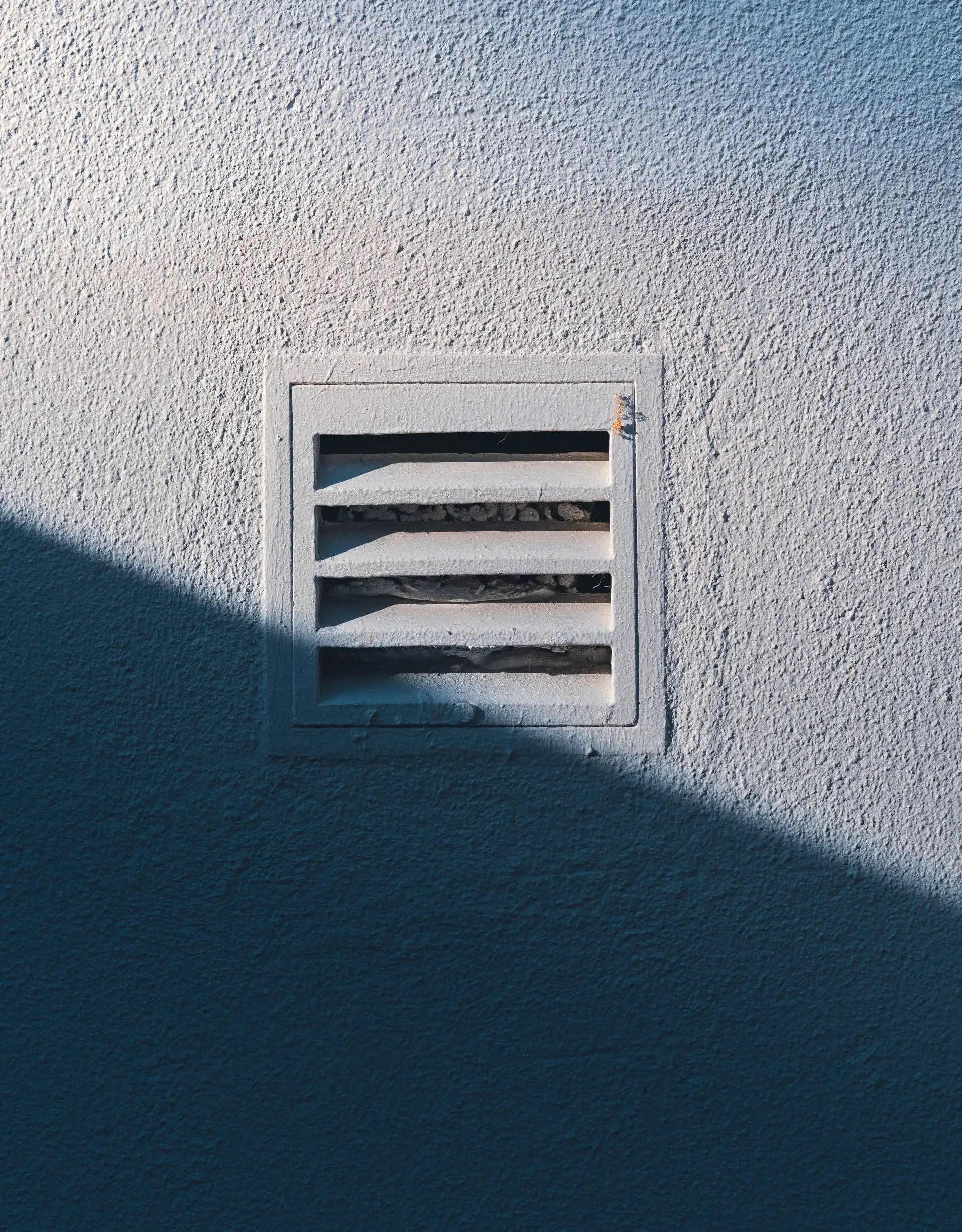
- Dryer vent, on request, from the dryer to the outside cap
You get a report with the photos, a short note on each one, and a recommendation. The recommendation can be “clean,” “repair,” “watch it,” or “nothing needed.”
When the EPA Says Cleaning Is Needed
The EPA guide Should You Have the Air Ducts in Your Home Cleaned? gives three conditions that justify cleaning:
- Substantial visible mold growth inside hard-surface ducts or on other parts of the heating and cooling system.
- Ducts infested with rodents or insects.
- Ducts clogged with excessive dust and debris, or particles actually blowing out of the supply registers.
The EPA does not recommend routine cleaning. It also says that if any of the three conditions is present, there is usually an underlying cause, such as a filter gap, a water leak or an open attic penetration, and that the cause has to be fixed first or the problem comes back.
An inspection is how you find out which of those applies to your home. The EPA’s advice to homeowners is to ask the company to show you the contamination that would justify cleaning. The photo report does that, and it is yours whether or not you hire us for the cleaning.
When the Ducts Do Not Need Cleaning
Half the value of an inspection is a “no.” The EPA says a light amount of household dust in ducts is not a known health risk, and that much of the dirt in ducts sticks to the duct walls and does not enter the rooms. If the camera shows a thin, even film and nothing else, cleaning is optional, and we say so.
Common cases where we recommend waiting:
- A newer home in Ladera or a recent infill build with sealed metal trunk lines and a thin dust film
- Ducts cleaned within the last few years with no pets, smoke or remodel since
- A dust complaint that turns out to be a filter gap, which we fix on the spot
- A smell that comes from the coil or drain pan, not the ducts, which points to HVAC system cleaning instead
How We Inspect Air Ducts
- We ask what you have noticed: dust, smell, allergies, a remodel, a new home purchase.
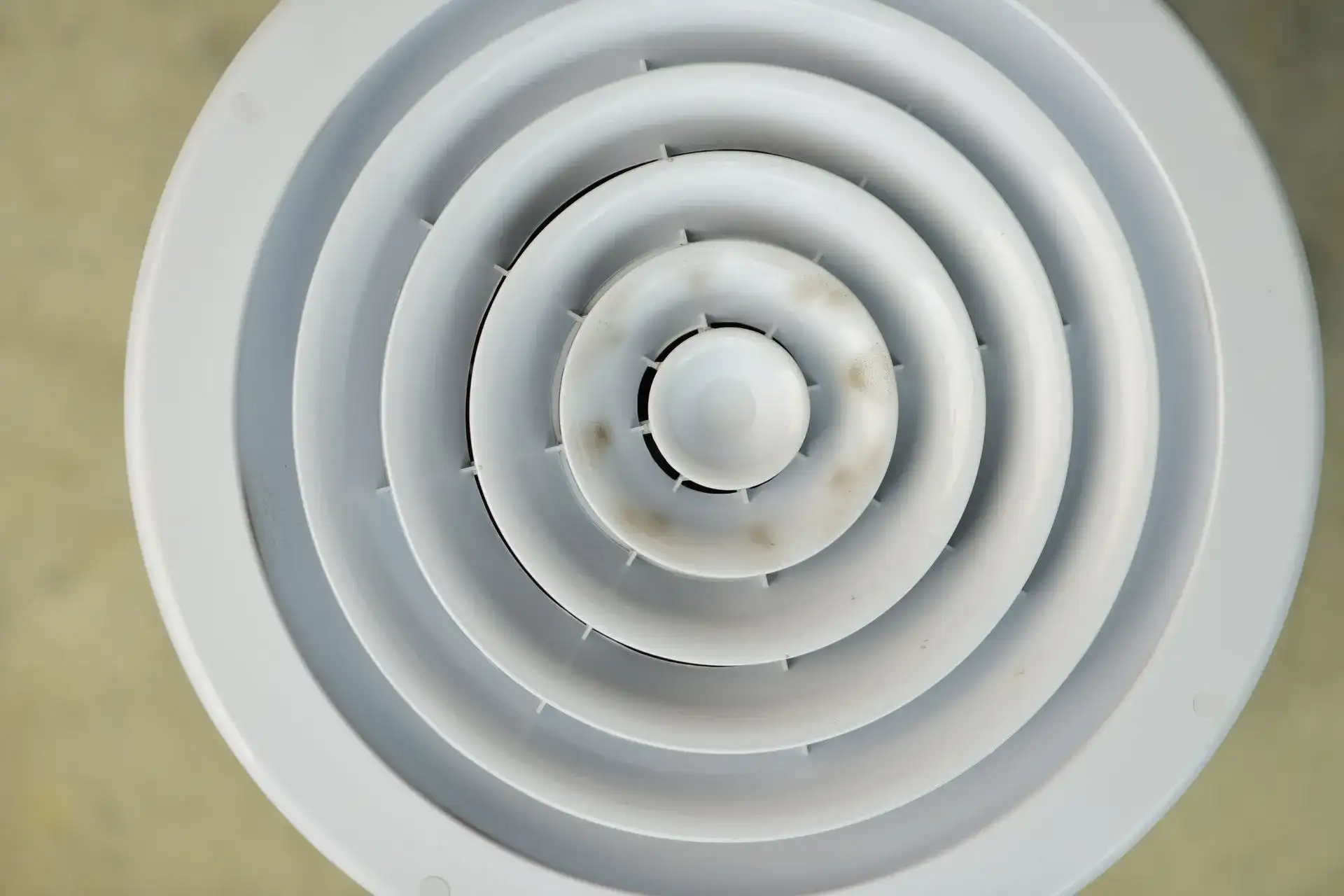
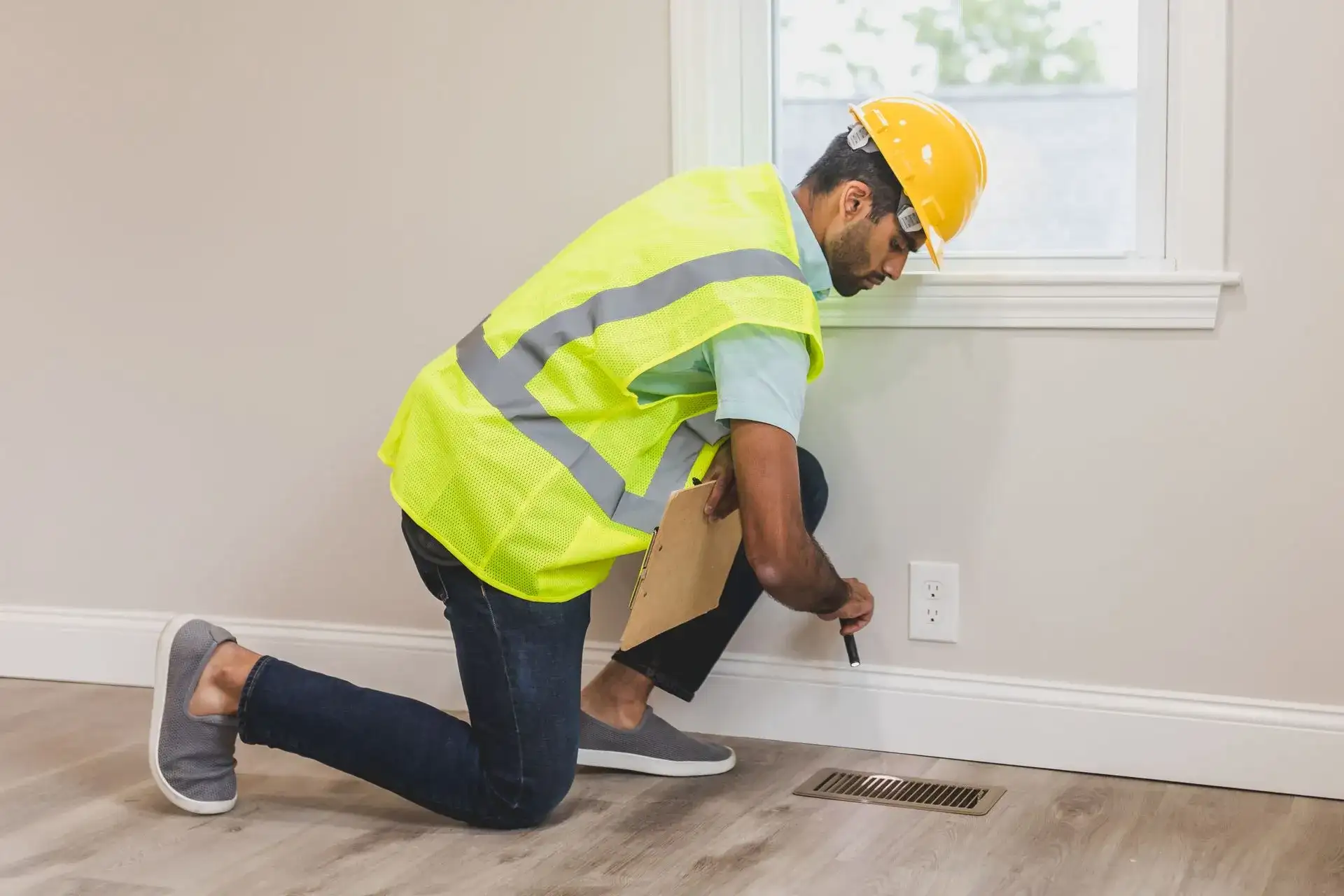
- We pull registers in several rooms and photograph the boots.
- A camera goes into the supply runs and the return runs. We photograph the duct walls, joints and any debris.
- We open the air handler, photograph the blower compartment and filter slot, and check the drain pan.
- In the attic, we follow the flex duct by eye for tears, crushed sections, disconnected boots and wet or sagging insulation.
- You get the photo report, usually before we leave, with a written price for anything we recommend.
The whole visit takes about an hour for a single-system home. Two systems take a little longer.
What the Camera Finds in Highland Village Attics
Most homes in Highland Village were built from the 1980s through the 2000s, and almost all of them have the air handler and flex duct in the attic. North Texas attics pass 130°F in summer. Those two facts explain most of what we photograph.
| What we see | What it usually means |
|---|---|
| Fuzzy gray layer in the supply runs | Years of dust and pet hair, a cleaning candidate |
| White powder in every run | Drywall dust from a remodel |
| Dark spots on the flex liner near a joint | Condensation from lake humidity on a cold duct in a hot attic |
| Shredded insulation and droppings | Rodents, which need air duct repair after cleaning |
| A run flattened under storage boxes | Crushed flex, low airflow to that room |
| Daylight or attic insulation at a joint | A disconnected or leaking duct, a case for duct sealing |
| Water in the drain pan | A clogged condensate line, which can feed mildew |
Homes in Highland Shores, Chapel Hill and Briarhill Estates that still have the original flex duct are the ones where the camera earns its keep. The duct may be dirty, or it may be damaged, and the fix is different for each.
Inspection Before a Home Purchase
Buyers in Highland Village often ask for a duct inspection during the option period. The general home inspection covers the air handler and the thermostat, but rarely the inside of the ducts. Our report shows the seller and the buyer the same photos, so a cleaning or a repair can be priced before closing instead of discovered after move-in.
Inspection After Cleaning
An inspection is also how you check any duct cleaner’s work, including ours. The EPA says all parts of the system should be visibly clean after a job, and that you should not be able to see debris with the naked eye. That is why Cooper’s Air Duct Cleaning, an air duct cleaning company in Highland Village, gives you before-and-after photos on every air duct cleaning job. If you had someone else clean the ducts and want a second look, we can photograph them for you.
Get a Free Quote
Call or send the form and tell us what you have noticed and how many systems the home or building has. We answer 7 days a week. You get a written price before any inspection, cleaning or repair starts, and you keep the photos either way.